
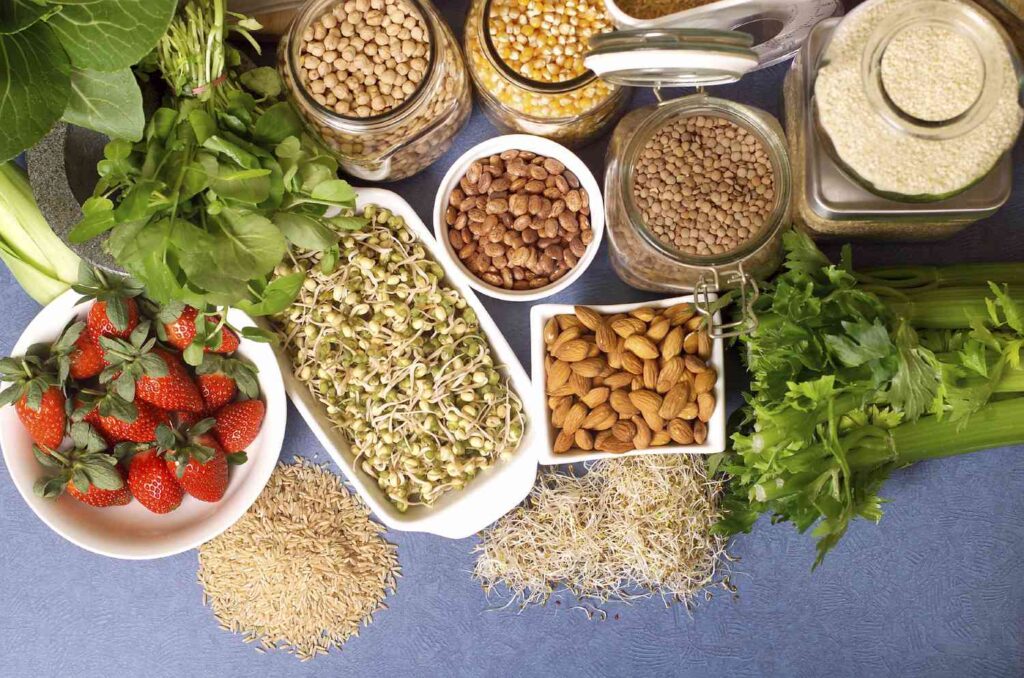
Even while the idea of “clean eating” has gained popularity recently, there are negative associations with it as well. Try making minor, doable dietary adjustments rather than concentrating on clean eating.
Although the phrase “clean eating,” which should refer to consuming whole foods, has gained a lot of popularity in the health world, it is now linked to food shaming.
To keep things simple, concentrate more on making minor adjustments, such as consuming less processed meals, and less on utilizing popular terminology.
Adding extra fruits, veggies, and nutrient-dense items to your plate is a better way to achieve this than emptying your kitchen cabinets and beginning from fresh.
What does clean eating mean?
Food cleanliness has nothing to do with clean eating.
It just entails selecting authentic, less processed meals that offer the most nutritional value.
Eating foods that are as close to their natural state as possible is the objective.
Clean eating also includes consuming foods that are farmed with greater environmental consciousness.
But when it comes to diet, nutrition, and health, try concentrating mostly on what is feasible and realistic for you.
Additionally, it could be simpler to begin by taking one tiny step at a time, which might be less daunting.
Try these 7 suggestions when making the decision to eat healthier.
Increase fruit and vegetable intake
There is no denying the nutritional value of fruits and vegetables.
They are rich in plant chemicals, fiber, vitamins, and minerals that help reduce inflammation and shield your cells from harm
High fruit and vegetable consumption is really associated with a lower risk of diseases including cancer and heart disease, according to numerous large observational studies
Since most fresh fruits and vegetables may be eaten raw right away after being picked and cleaned, they are perfect for clean eating.
You can lessen your exposure to pesticides by selecting organic produce. However, eating more fruits and vegetables—conventional or organic—is better for your health than eating fewer of them.
Here are a few simple strategies for increasing your intake of fruits and vegetables:
- Add at least three different veggies to your salads in addition to greens to make them as colorful as possible.
- Include fruits in your salad, such as tangerines, watermelon, apples, strawberries, or grapes.
- Add berries, bananas, or plums on top of your yogurt, cereal, or porridge.
- Clean and cut your vegetables, combine them with herbs and olive oil, and store them in a refrigerator container for convenient access.
- To your soups and stews, add squash, kale, collards, or spinach.
- When cooking, choose for frozen or canned alternatives because they might be more economical and simplify meal preparation.
Eat fewer processed foods
Limit your intake of ultra-processed foods, as they have been associated with a higher risk of heart problems. These foods may include artificial coloring, stabilizers, preservatives, or additional sugar.
Examples include packaged cookies, quick meals, and salty snacks like chips that may have undergone physical and chemical processing
The majority of processed foods contain additional sugars, salt, and other additives to preserve them and enhance their flavor while losing part of their fiber and nutrients
Look for products with the fewest additional ingredients while reading labels, especially those that you are unfamiliar with.
This includes products labeled “natural,” as the Food and Drug Administration stipulates that the phrase should indicate that no artificial or synthetic ingredients have been added to a food that would not typically be expected. However, this does not include food production techniques such as the use of pesticides.
Go over labels
Certain packaged goods, such packaged veggies, nuts, and meat, can be included even though the concept of clean eating is centered on whole, fresh foods.
To ensure that there are no bad fats, added sugars, or preservatives, it’s crucial to read labels.
For example, a lot of nuts are roasted in vegetable oil, which exposes them to heat-related harm. Nuts are best eaten raw or roasted at a low temperature. When possible, choose unsalted after reading the label.
Prepared salad mixtures can also save time, but be mindful of the salad dressings they can include. These could contain a lot of added sugar, salt, and preservatives.
If you decide to incorporate the salad dressing that comes with it, you might want to use between a quarter and half of the packet. Additionally, make sure to enjoy them by the specified date and store them in the refrigerator.
Restrict refined carbohydrates
Highly processed, low-nutrient foods are known as refined carbohydrates.
Previous studies have connected the use of refined carbohydrates to obesity, fatty liver, insulin resistance, and inflammation.
Whole grains, on the other hand, may lower inflammation and improve gut health since they contain more nutrients and fiber.
People who ate whole grain wheat bread saw a significant decrease in visceral fat in one modest, 12-week study. However, eating bread made from refined wheat had no effect on visceral fat.
If you consume grains, choose for the least processed varieties, including steel-cut oats and sprouted grain bread. Reduce your intake of white bread, ready-to-eat cereals, and other processed carbohydrates.
5 Select oils and spreads carefully.
Generally speaking, vegetable oils and margarine don’t fit the original definition of clean eating.
First of all, they are highly processed because they are made through chemical extraction.
The crucial omega-6 fatty acid linoleic acid is found in large concentrations in some oils, such as corn and soybean oil.
According to certain research, consuming excessive amounts of omega-6 fatty acids, such as linoleic acid, and insufficient amounts of omega-3 fatty acids may be linked to obesity and persistent inflammation.
Eating a modest amount of good fats is crucial, even though cutting less on vegetable oils and spreads may have some advantages. These include omega-3-rich fatty fish, avocado, and walnuts.
Additionally, because olive oil has health advantages like lowering inflammation, it can be a suitable replacement.