
Table of Contents
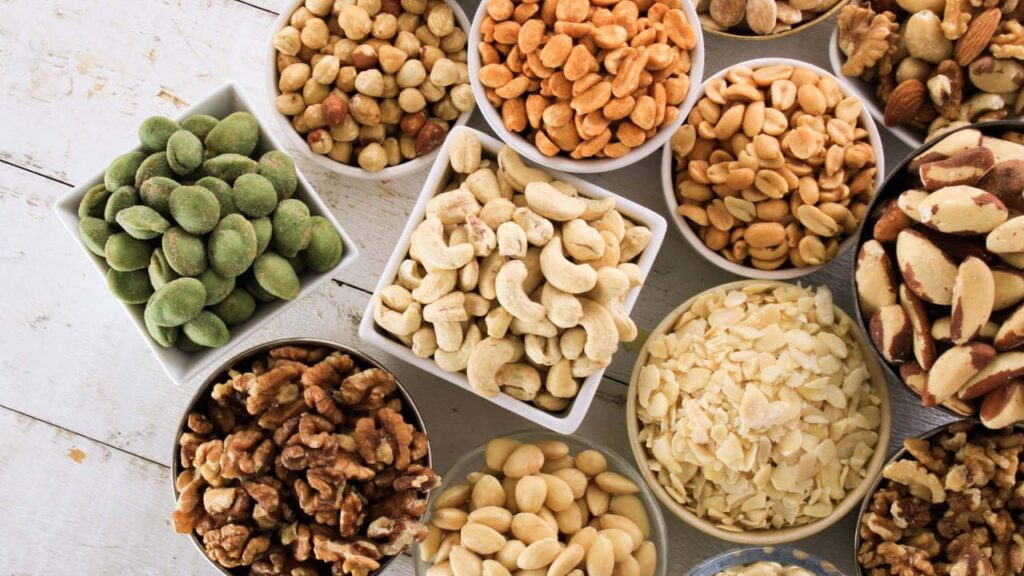
Nuts such as pecans, walnuts, almonds, and others are rich in heart-healthy elements.
Searching for a heart-healthy, tasty Christmas present for loved ones? Think of a nice array of nuts that have been dry-roasted. They are a delicious and healthy substitute for conventional holiday sweets like cookies and candies.
Observational studies from the early 1990s have shown that people who regularly eat nuts are less likely to die from heart disease or have heart attacks than people who eat them infrequently. Eating nuts multiple times a week has been related to a 30% to 50% lower risk of heart attack, sudden cardiac death, or cardiovascular illness, according to several of the biggest studies (such as two from Harvard, the Nurses’ Health Study and Physicians’ Health Study).
This relationship makes reasonable, even if regular nut eaters may have other good practices that contribute to this improvement. “Nuts contain three main components that promote heart health,” explains dietician Kate Mitchell, who provides patient counseling at the Harvard-affiliated Beth Israel Deaconess Medical Center’s Lipid and Cardiovascular Disease Prevention Clinic. They are high in unsaturated fats, which help reduce inflammation and dangerous LDL cholesterol, two major causes of cardiovascular disease. According to her, nuts are also a good source of protein, which makes you feel satisfied and may help you avoid overindulging. Additionally, they provide fiber, which may lower cholesterol and improve fullness. Nuts also include a number of vitamins, minerals, and plant compounds (phytochemicals) that help prevent oxidation and inflammation, two more artery-damaging processes linked to heart disease.
In actuality, this agency permits certain nuts to have a valid health claim. The following statement is allowed on foods manufactured with them: “Eating a diet that includes one ounce of nuts daily can reduce your risk of heart disease.”
Including nuts in your food
There may be health benefits to eating a few servings of nuts each week. However, if you are not allergic and modify your calorie intake appropriately, there is no drawback to consuming one serving each day. A quarter-cup, or one ounce, of nuts has between 160 and 200 calories.
Snacks manufactured from processed carbs, like chips or pretzels, are low in nutrients and can be replaced with a handful of unsalted mixed nuts. However, Mitchell notes that you can also use nuts into various recipes to benefit from the taste and nutritional boost they offer. “Nuts are very versatile — you can use them in both savory and sweet dishes,” she explains. Her favorite piece of advice is to add toasted almonds to veggies, which has the added benefit of making veggies—which are sadly underrepresented in the typical American diet—tastier. For example:
- Place sliced almonds over the sautéed green beans.
- Top roasted cauliflower, broccoli, or carrots with chopped walnuts.
- Combine pieces of roasted sweet potatoes or winter squash with crumbled pecans.
- Vegetables can also be topped with sauces made of nuts. Mitchell suggests peanut sauce.
peanut benefits
As edible seeds that grow in pods like soybeans and lentils, peanuts are technically classified as legumes rather than nuts. However, in terms of nutrition, peanuts and tree nuts seem to have comparable heart-protective qualities. In addition, peanuts are less costly than tree nuts. If you enjoy peanut butter, put it over celery sticks, sliced apples, or whole-grain crackers using a brand that doesn’t have any added sugar or salt.
Walnut merits
Additionally, walnuts are unique among nuts due to their high concentration of the fatty acid alpha-linolenic acid (ALA). Heart attack and stroke risk may be reduced by dietary intake of ALA, which the body transforms into beneficial omega-3 fatty acids. Try mixing chopped walnuts into pancakes, muffins, or other fast breads, or adding them to oatmeal or other hot or cold cereals.