
Explore the primary pros and cons of outdoor versus treadmill better running to determine what method improves performance, consistency, and general fitness growth.
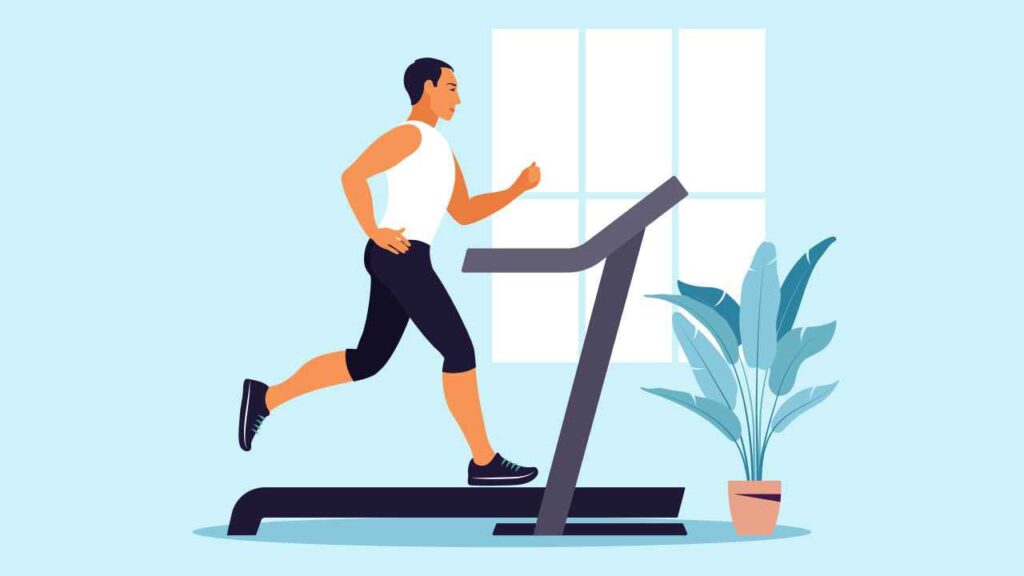
Table of Contents
There are many many millions of knowledgeable and enthusiastic runners.
One important subject that causes a wide range of viewpoints among runners is whether it’s preferable to run outside or on a treadmill better.
Supporters of both strategies enjoy running. While treadmill runners might prefer running in a controlled setting, other outdoor runners think treadmill running is tedious and dull.
Treadmill Better exercise
Pros
A treadmill is a type of workout equipment where you can run or walk on a belt that rotates under control. Most fitness centers have treadmills, or you may buy one yourself online or in stores
The accessibility of a treadmill is one of its main benefits. You may utilize a treadmill day or night and in any temperature because the majority of them are indoors. For people who work out at night or reside in areas with constantly shifting weather, this can make running more accessible.
The majority of proponents of treadmill Batter running appreciate the range of features a treadmill can provide, including exact control over pace, inclination, and intervals.
Because they may advance gradually on a treadmill in a more controlled setting, this is especially beneficial for people recovering from injuries.
For instance, due to things like uneven ground and slick sidewalks, running outside could be more dangerous for someone recovering from an ankle injury. Finally, since most treadmills feature cushioned belts to lessen impact, running on one may be beneficial for your joints. Conversely, hard surfaces, particularly highways and sidewalks, won’t. The majority of research indicates that running damages neither knees nor joints, despite widespread opinion.
Cons
Indoor treadmill running requires you to remain in a set location where the treadmill is located, in contrast to outside running when you can be surrounded by forests or other lovely greenery. Some claim that with time, this could get monotonous.
However, a lot of contemporary treadmills have screens that mimic an outdoor run, which might improve the experience. However, many contend that this will never be as good as running outside.
Furthermore, when comparing muscle activation during treadmill running versus outside jogging, one study yields contradictory results. While some studies find no change, others detect less muscle activity on the treadmill. This could be because the treadmill belt propels you forward, making it marginally simpler for you to continue moving.
Because of the treadmill’s restricted features, many runners report a shorter and less natural stride. This is debatable, though. Treadmill and outdoor running did not significantly differ in gait stride, according to a 2020 study. Lastly, the expense of using a treadmill is one of its main drawbacks. While buying your own treadmill might cost hundreds or thousands of dollars, using one at the gym costs $10 or more a month
Running outside
Running on a trail, path, sidewalk, or any other outdoor surface is referred to as outdoor running.
Pros
Because of the changing landscape, fresh air, challenge of uneven ground, and limitless alternatives for running routes, most runners find outdoor running to be significantly more enjoyable than treadmill running.
A person’s drive to keep exercising may rise as a result of the greater diversity
While there are health benefits to both treadmill and outdoor running, including reduced blood pressure, increased endurance, and a decreased risk of depression, outdoor running may offer extra advantages just by fostering a stronger sense of connection to the natural world.
Remarkably, a 2016 study discovered that spending at least 30 minutes a week in outdoor green spaces, like parks and woods, could lower rates of high blood pressure by 9% and depression by 7%.
Besides, you can strengthen different muscle groups and improve your balance by jogging in a variety of settings and over obstacles. Running up hills, leaping over puddles, and avoiding other path users are examples of actions. Additionally, since you’re jogging on tougher surfaces, research indicates that running outside might strengthen your bones. This promotes increased bone stress and gravitational force, both of which are critical for bone metabolism. Lastly, if you do not include the price of running shoes and exercise equipment, outdoor running is totally free. This increases the accessibility of running for people of all income levels.
Cons
Running outside in dry, relatively warm weather is ideal. Rain, snow, and exceptionally hot or cold temperatures, on the other hand, make it less desirable and dangerous. However, you can run outside in most weather conditions if you have the right attire, training, and preparation.
Running in extremely hot or cold temperatures might also make you more susceptible to dehydration. If you don’t rehydrate and wear the appropriate clothes, this could be fatal (9Trusted Source, 10Trusted Source).
Lastly, running at night can be hazardous and raises the risk of injury.
Wearing fluorescent gear and a light will help you see if you decide to run at night. Tell a friend where you’re going and when you plan to get home. Even better, locate a running partner.
Which is best for shedding weight?
Exercise that you enjoy is the best way to lose weight. Regular aerobic exercise, such as running outside or on a treadmill Better, will burn calories to create a calorie deficit.
Running a few times a week improved fat reduction, according to a 2016 study. It’s interesting to note that most subjects gained muscle mass despite experiencing significant weight loss.
Running in at least two different ways can help with weight loss. Running at a low to moderate intensity, commonly known as steady-state running, can help you lose weight. This entails running continuously for a predetermined amount of time at the same intensity.
High intensity interval training (HIIT) is an alternative. HIIT entails brief, 30- to 90-second bursts of high-intensity activity, like sprinting, interspersed with an equal amount of recovery, like walking or leisurely running.
HIIT and steady-state running both aided in fat loss, according to a 2017 study. A person’s effort and enjoyment during exercise, as well as how frequently they exercised, determined how much weight they lost.
According to these findings, it’s best to select the kind of jogging you can dedicate yourself to.
Thankfully, both HIIT and steady-state running may be done outside or on a treadmill Better . you prevent injuries, make sure you run on level terrain if you’re running outside.
Run Better, Eat Smarter: A Simple Meal Plan and How to Choose Between Treadmill Better Workouts and Outdoor Running